
Canada will raise permanent residence fees effective April 30, 2026, to align with inflation and support timely services, with most streams seeing modest increases. Business-class applicants face the largest hike (+$85 to $1,895); Express Entry, PNP, family sponsorship, refugees, H&C and the Start‑Up Visa are affected.
Soheil Hosseini
April 2, 2026
Jurisdiction
Federal
Week
Week 14
Impact
Moderate
Programs Affected
Ottawa to raise permanent residence fees April 30, 2026; business applicants face largest $85 increase
Summary: Canada will increase permanent residence fees on 2026-04-30 to maintain timely, reliable services and keep pace with inflation. Business-class applicants face the largest hike, while other categories see smaller, standardized increases. Ottawa, March 27, 2026—Canada will raise permanent residence fees effective April 30, 2026, citing the need to deliver timely, reliable services and align with inflation. The changes affect multiple immigration pathways, including Express Entry streams, provincial nominee programs, family sponsorship, humanitarian and refugee categories, and the Start-Up Visa. Key changes for principal applicants:
- Right of permanent residence fee: +$25 (from $575 to $600)
- Provincial Nominee Program: +$40 (from $950 to $990)
- Business: +$85 (from $1,810 to $1,895) — the largest increase
- Family class: +$25 (from $545 to $570)
- Protected persons: +$25 (from $635 to $660)
- Humanitarian and compassionate/public policy: +$25 (from $635 to $660)
- Permit holders: +$15 (from $375 to $390) Programs affected include: Express Entry (EE-FSW, EE-FST, EE-CEC, EE-PNP), OINP streams (JOFW, JOIS, JOID, EE-Trade, EE-Health, EE-Tech, EE-Other, EE-French), BCPNP, Sponsorship, H&C, Refugees, and the Startup Visa. Independent analysis:
- Positive: Indexing fees to inflation may help sustain processing capacity and service quality, potentially reducing backlogs over time. The standardized, modest increases in family, protected persons, and H&C categories limit abrupt cost shocks for vulnerable applicants.
- Negative: The $85 increase for business-class applicants could marginally raise entry costs for entrepreneurs and investors, affecting smaller ventures. Modest increases across PNP and Express Entry could prompt short-term application surges before the April 30, 2026 effective date, with budget impacts for families and provincial nominees.
- Overall: The adjustments are incremental for most streams but signal continued cost alignment measures across federal immigration programs. Applicants with pending plans may consider timing and budget implications ahead of the effective date.
Date of update: 2026-04-02
Source: News Article
Tags: Canada immigration, permanent residence fees, IRCC fees, Express Entry, Provincial Nominee Program, family sponsorship, Start-Up Visa, refugees, humanitarian and compassionate, RPRF, 2026 immigration update End of article.
Categories
Share This Post
Related Articles
Express Entry Overhaul
Effective Nov 3, 2026 Express Entry will award up to 150 CRS points for designated high‑wage Canadian experience and up to 100 CRS points for qualifying LMIA‑free job offers. IRCC will pause draws up to two weeks for profile recalculation, use an occupation‑based high‑wage list, and retain strict job‑offer genuineness checks.
IRCC genuineness guidance
IRCC requires officers to assess genuineness of LMIA‑exempt employer‑specific work‑permit offers under R200/R209.11—refusal is mandatory if any of four factors (active engagement, need, ability to fulfill terms, legal compliance) fail; open work permits are excluded. Employers must submit complete offers via the Employer Portal and may be contacted directly; CBSA conducts genuineness checks at POE and extrinsic adverse info triggers procedural fairness.
Canada extends Ebola measures
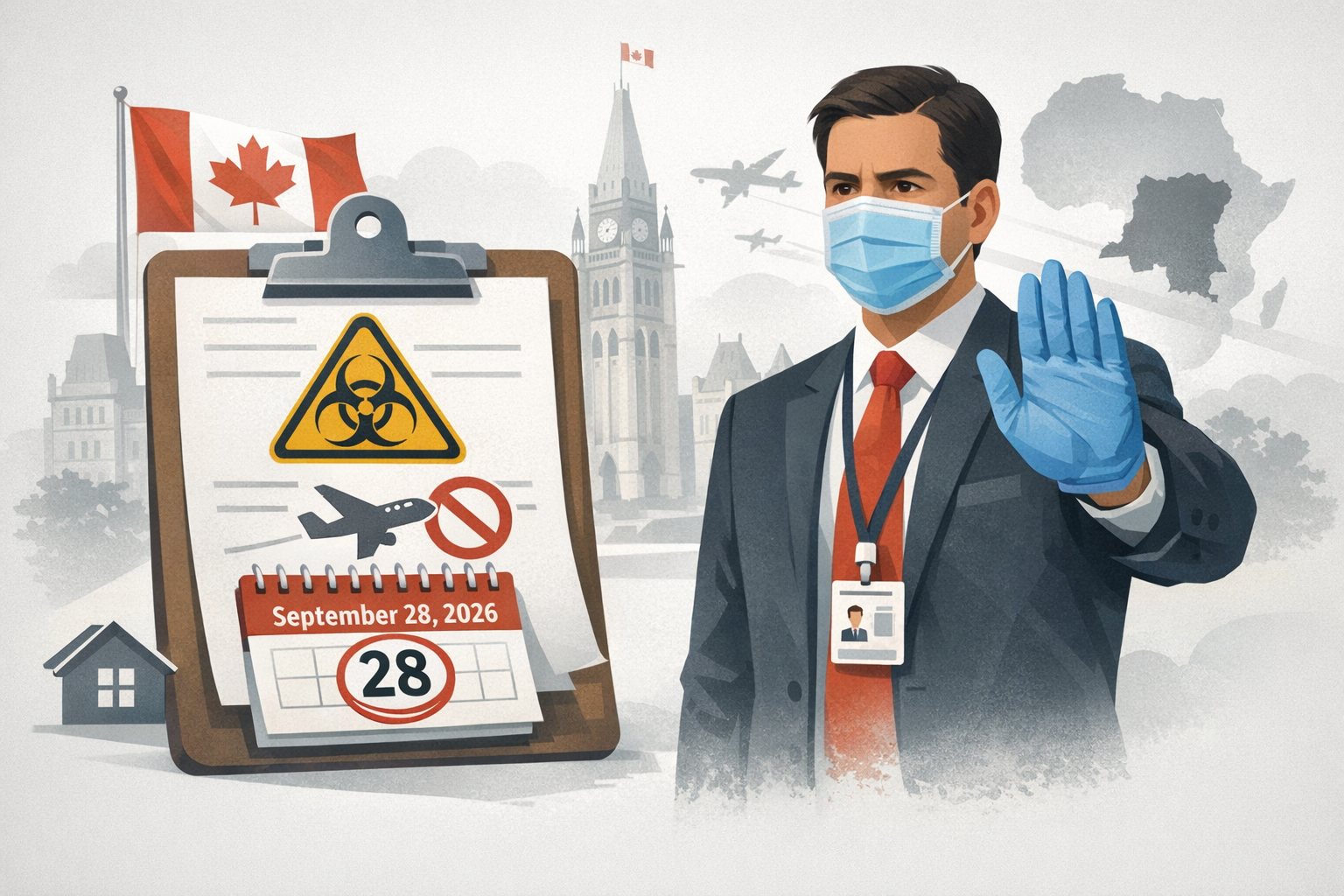
Canada extended Ebola travel measures to Sept. 28, 2026; effective July 20, 2026, foreign nationals who were in the DRC within the previous 21 days cannot board flights to Canada. Affects TRV, Work Permit and Study Permit travellers and may disrupt travel, enrolment and onboarding timelines.
Palestinian Open Work Permits
Canada launches a temporary public policy (Aug 1, 2026–Dec 30, 2027) allowing Palestinians and eligible family members in Canada to apply for or extend open work permits (one-time extension). Policy is in-Canada only, excludes temporary resident permit holders, requires valid temporary status, standard fees apply—use IRCC’s online tool and apply promptly.