
Ontario Premier Doug Ford warned he may unilaterally issue work permits to asylum seekers—citing $1 billion/year housing costs and federal processing backlogs—to force faster action from Ottawa. Such a move would face federal legal constraints, risk employer/applicant confusion and deepen intergovernmental conflict even as it could pressure quicker permit processing.
Soheil Hosseini
July 23, 2025
Jurisdiction
Ontario
Week
Week 30
Impact
Moderate
Programs Affected
Ontario Premier Doug Ford Threatens to Issue Work Permits to Asylum Seekers Amid Federal Delays
Summary: Ontario Premier Doug Ford, citing a $1 billion annual cost to house asylum seekers and federal processing backlogs, warned that the province may move to issue its own work permits if Ottawa does not act faster. The remarks underscore escalating federal–provincial tensions over immigration responsibilities. HUNTSVILLE, Ontario — 2025-07-23 Ontario Premier Doug Ford criticized the federal government at the Council of Federation meeting in Huntsville, saying the province is bearing an estimated $1 billion per year to house asylum seekers as Ottawa “processes slowly.” He said Ontario may independently issue work permits to asylum seekers who are ready and willing to work but are stuck in federal backlogs, adding the federal government “needs to step up.” The statement intensifies long-running disputes over shared immigration responsibilities. Program affected: Work Permit Source: News Article Legal and policy context: In Canada, work authorization is a federal function. Any move by a province to issue its own “work permits” would face significant legal constraints and likely require federal cooperation or legislative change. Unilateral action could create compliance risks for employers and asylum seekers, given that employment without federal authorization can attract penalties under federal law. Potential impacts:
- Positive: Could pressure Ottawa to accelerate work permit processing, enabling asylum seekers to support themselves, ease shelter capacity, and address labour shortages, potentially reducing provincial costs.
- Negative: Raises constitutional and operational uncertainty, risks confusion for employers and applicants, and may deepen intergovernmental conflict, potentially delaying coordinated solutions. What to watch: Ottawa’s response; any concrete provincial steps or proposed agreements to fast-track federal work permits; guidance to employers; and whether a negotiated pathway emerges to facilitate quicker, federally compliant work authorization for asylum seekers.
Date of update: 2025-07-23
Tags: Canada immigration, Ontario, Doug Ford, asylum seekers, work permits, federal-provincial relations, immigration backlogs, labor shortages, housing costs, public policy, legal risk We will continue to monitor developments and provide updates as federal–provincial discussions evolve.
Categories
Share This Post
Related Articles

Express Entry Overhaul
Effective Nov 3, 2026 Express Entry will award up to 150 CRS points for designated high‑wage Canadian experience and up to 100 CRS points for qualifying LMIA‑free job offers. IRCC will pause draws up to two weeks for profile recalculation, use an occupation‑based high‑wage list, and retain strict job‑offer genuineness checks.

IRCC genuineness guidance
IRCC requires officers to assess genuineness of LMIA‑exempt employer‑specific work‑permit offers under R200/R209.11—refusal is mandatory if any of four factors (active engagement, need, ability to fulfill terms, legal compliance) fail; open work permits are excluded. Employers must submit complete offers via the Employer Portal and may be contacted directly; CBSA conducts genuineness checks at POE and extrinsic adverse info triggers procedural fairness.
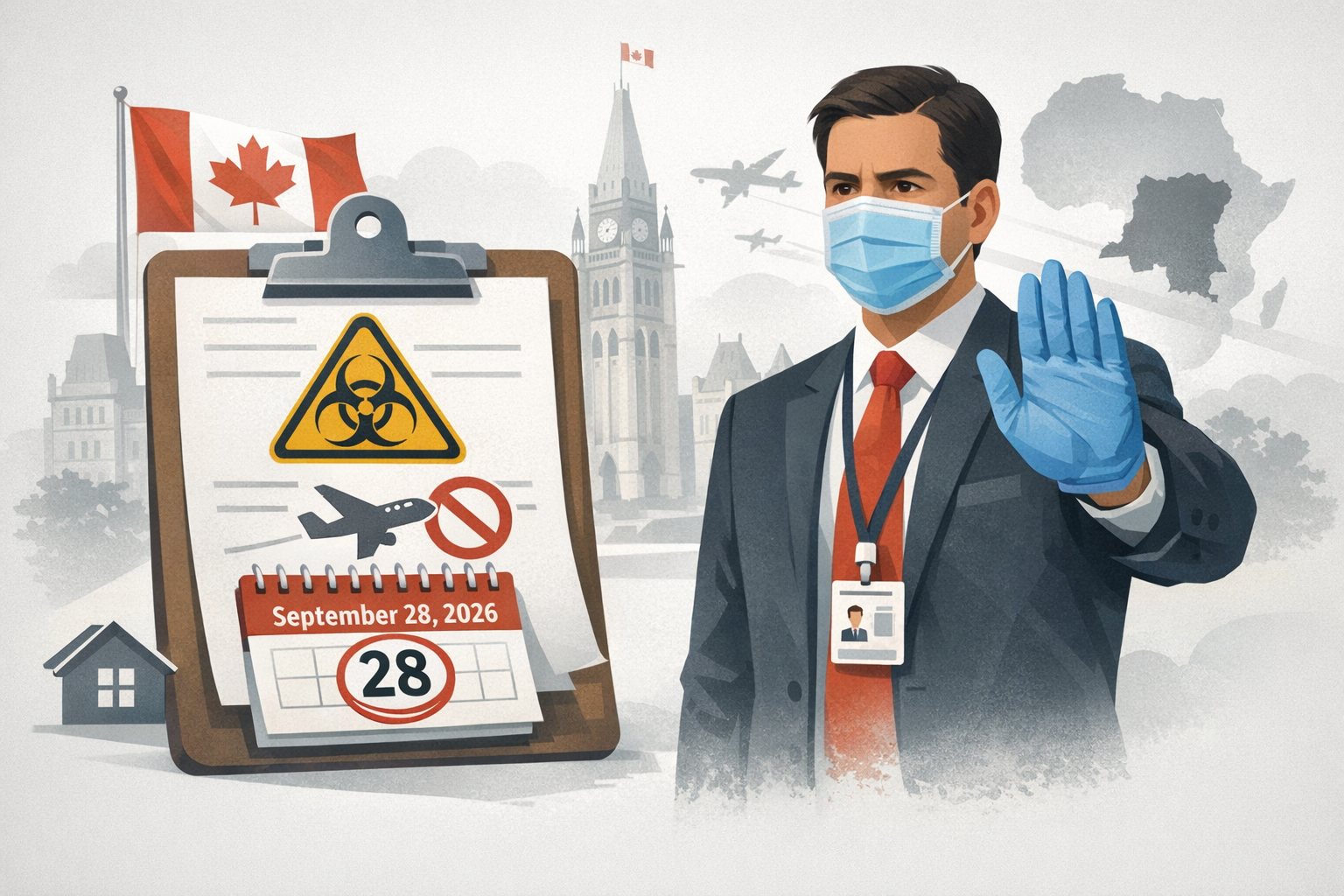
Canada extends Ebola measures
Canada extended Ebola travel measures to Sept. 28, 2026; effective July 20, 2026, foreign nationals who were in the DRC within the previous 21 days cannot board flights to Canada. Affects TRV, Work Permit and Study Permit travellers and may disrupt travel, enrolment and onboarding timelines.
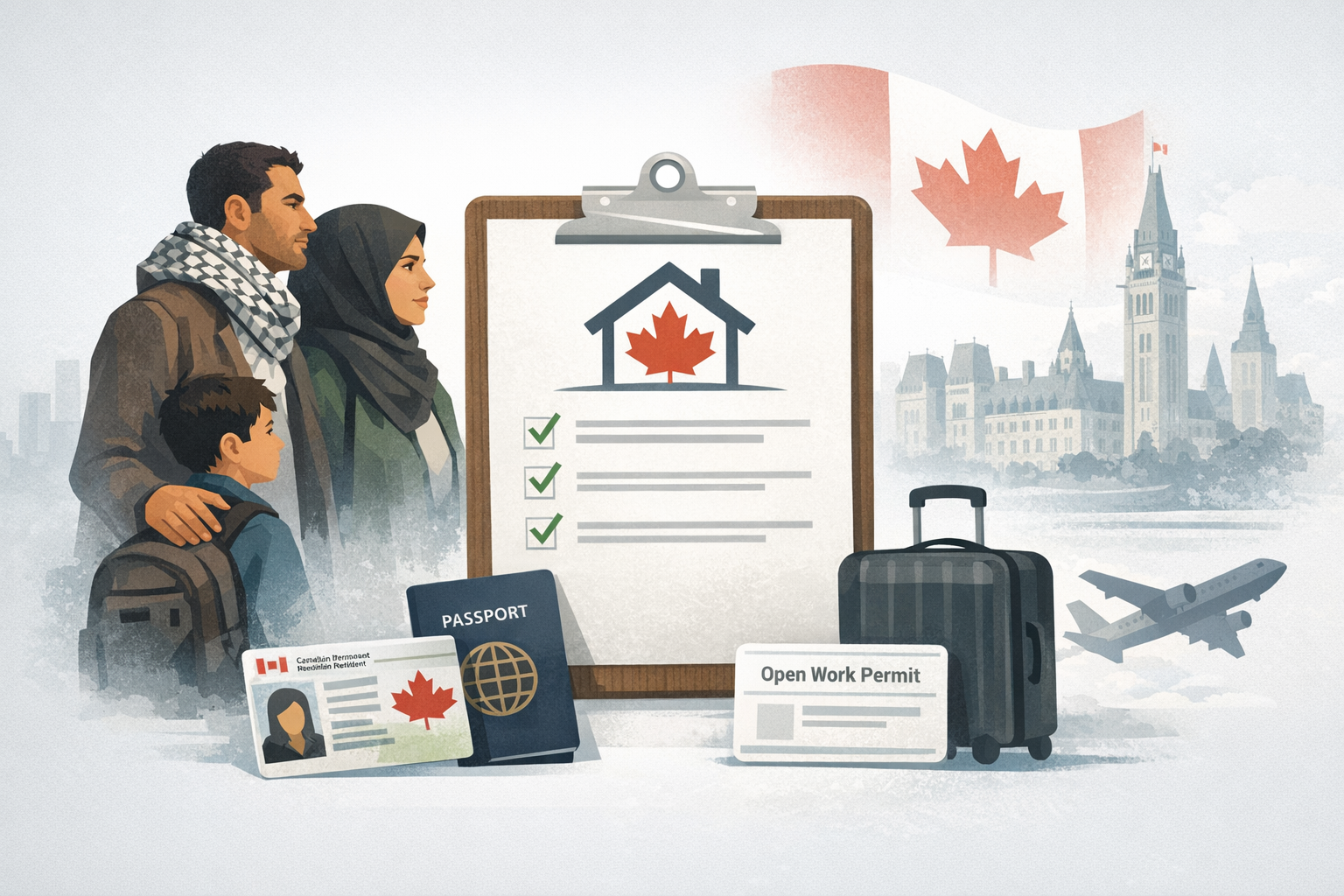
Palestinian Open Work Permits
Canada launches a temporary public policy (Aug 1, 2026–Dec 30, 2027) allowing Palestinians and eligible family members in Canada to apply for or extend open work permits (one-time extension). Policy is in-Canada only, excludes temporary resident permit holders, requires valid temporary status, standard fees apply—use IRCC’s online tool and apply promptly.