
IRCC reverted eligible CIP codes to the June 25, 2025 version, restoring PGWP field-of-study eligibility and covering students who applied between June 25–July 4, 2025. Restored eligibility stands until the next update in early 2026, offering short-term certainty but leaving potential changes ahead.
Soheil Hosseini
July 4, 2025
Jurisdiction
Federal
Week
Week 27
Impact
High
Programs Affected
IRCC Reverts CIP Code List to June 25 Version, Restoring PGWP Field-of-Study Eligibility
Date: 2025-07-04
Source: IRCC
Summary: IRCC has restored several fields of study to the Post-Graduation Work Permit (PGWP) eligibility list by reverting the eligible CIP codes to the June 25, 2025 version, with restored eligibility remaining in place until early 2026. IRCC has updated its list of eligible Classification of Instructional Programs (CIP) codes, adding back fields of study that were removed on June 25, 2025. The change affects the field-of-study requirement tied to PGWP eligibility and related study permit planning. According to IRCC, the restored fields will remain eligible until the list is next updated in early 2026. Importantly, students who submitted their study permit applications between June 25 and July 4, 2025 in one of the temporarily removed fields will still meet the field-of-study requirement when they graduate. IRCC notes that eligible fields of study are linked to jobs in long-term shortage in Canada and may change with labour market needs. Prospective and current students should check whether their program’s CIP code meets the field-of-study requirement.
Programs affected: PGWP, Study Permit
Analysis:
- Positive: The reversion provides immediate certainty for students and institutions, averting disruptions for those caught by the June 25 removal. It aligns education pathways with labour market needs while giving stakeholders time to adjust before early 2026.
- Negative: The rapid update-and-revert cycle may create planning uncertainty, complicating program selection and admissions. Further changes expected in early 2026 could affect prospective students’ risk assessments and institutional advising workloads.
Tags: #IRCC, #PGWP, #StudyPermit, #CIPCodes, #InternationalStudents, #CanadianImmigration, #LabourMarket, #HigherEducation, #PolicyUpdate
Categories
Share This Post
Related Articles

Express Entry Overhaul
Effective Nov 3, 2026 Express Entry will award up to 150 CRS points for designated high‑wage Canadian experience and up to 100 CRS points for qualifying LMIA‑free job offers. IRCC will pause draws up to two weeks for profile recalculation, use an occupation‑based high‑wage list, and retain strict job‑offer genuineness checks.

IRCC genuineness guidance
IRCC requires officers to assess genuineness of LMIA‑exempt employer‑specific work‑permit offers under R200/R209.11—refusal is mandatory if any of four factors (active engagement, need, ability to fulfill terms, legal compliance) fail; open work permits are excluded. Employers must submit complete offers via the Employer Portal and may be contacted directly; CBSA conducts genuineness checks at POE and extrinsic adverse info triggers procedural fairness.
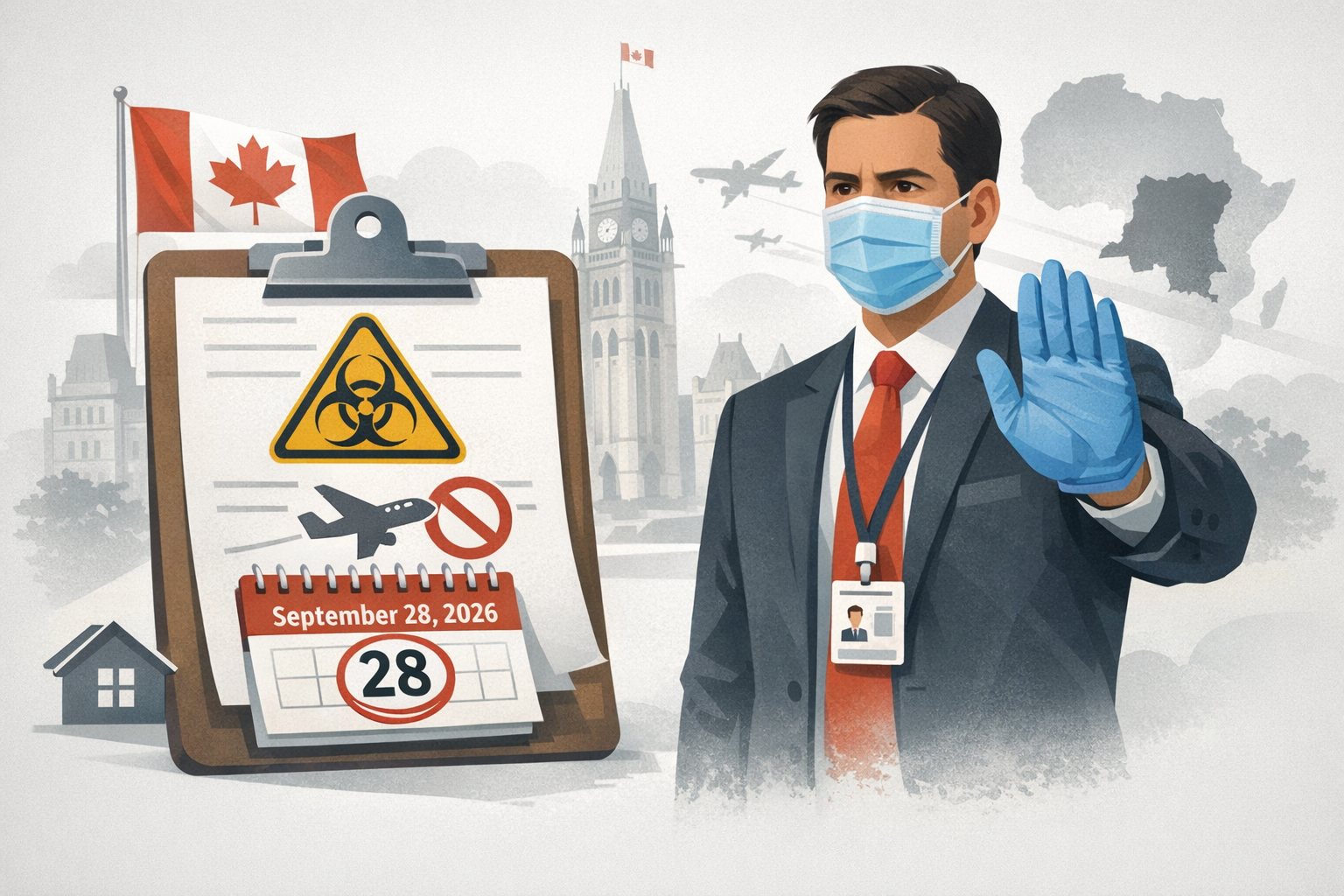
Canada extends Ebola measures
Canada extended Ebola travel measures to Sept. 28, 2026; effective July 20, 2026, foreign nationals who were in the DRC within the previous 21 days cannot board flights to Canada. Affects TRV, Work Permit and Study Permit travellers and may disrupt travel, enrolment and onboarding timelines.
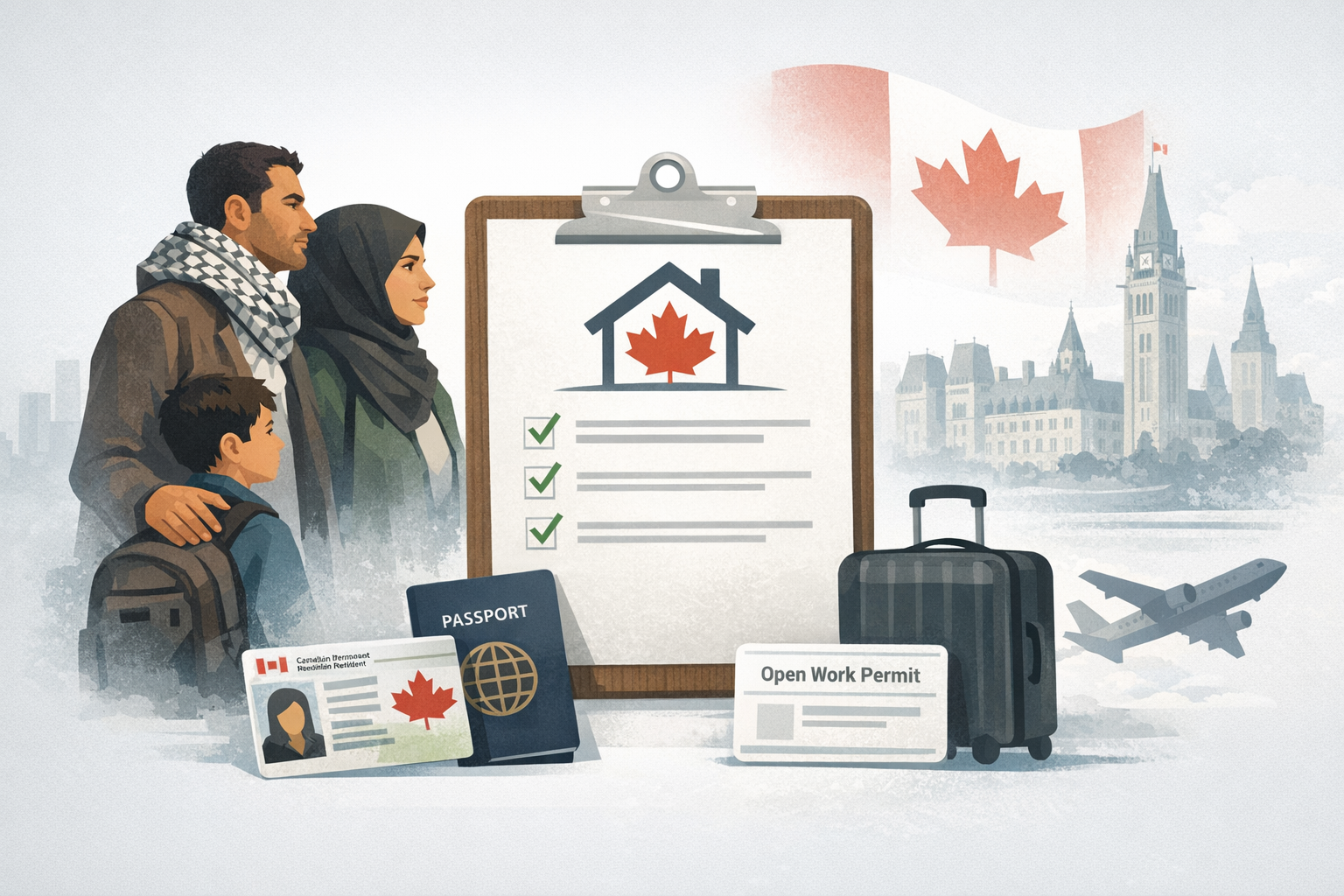
Palestinian Open Work Permits
Canada launches a temporary public policy (Aug 1, 2026–Dec 30, 2027) allowing Palestinians and eligible family members in Canada to apply for or extend open work permits (one-time extension). Policy is in-Canada only, excludes temporary resident permit holders, requires valid temporary status, standard fees apply—use IRCC’s online tool and apply promptly.